Let’s talk about something most of us have dealt with but rarely discuss out loud: yeast infections. They’re uncomfortable, they’re common, and the drugstore aisle isn’t always the first place you want to go — which is exactly why natural yeast infection remedies are one of the things people search for late at night.
Before anything else — if this is your first yeast infection, if symptoms are severe, or if they keep coming back, see a doctor. As the Mayo Clinic notes, what feels like a yeast infection can sometimes be something else, so a proper diagnosis matters more than any home remedy.
For everyday, mild irritation, though, here are a few plant-based yeast infection remedies that can offer some comfort and support while your body does the real work of rebalancing.
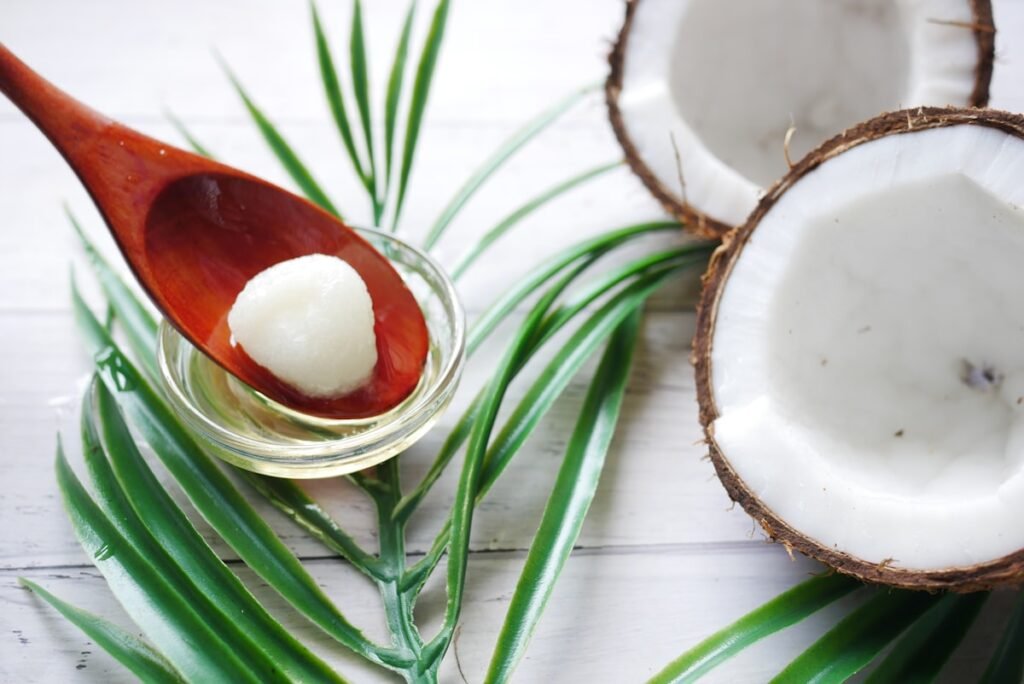
1. Organic Coconut Oil
Coconut oil has natural antifungal properties, thanks to compounds like caprylic acid and lauric acid.
How to use it: Apply a small amount externally to soothe irritation. Skip internal application — it isn’t necessary, and inserting oils internally can actually disrupt your natural flora further.
Note: Use organic, unrefined coconut oil, and always patch-test first.
2. Apple Cider Vinegar Bath
A diluted ACV bath is a gentler option than concentrated applications, and some people find it comforting.
How to use it: Add 1–2 cups of raw, unfiltered apple cider vinegar to a warm bath and soak for 15–20 minutes. Never apply undiluted ACV directly to sensitive skin — it’s acidic enough to cause irritation.
Why it might help: ACV may help support your skin’s natural pH balance, though it isn’t a cure on its own.
3. Tea Tree Oil (External Use Only)
Tea tree oil has documented antifungal properties, but it’s potent — it should never go near mucous membranes undiluted, or be used internally.
How to use it: Mix 2–3 drops of tea tree oil with a tablespoon of a carrier oil, like coconut or jojoba, and apply externally only. Patch-test on your arm first and discontinue if you notice any burning or irritation.
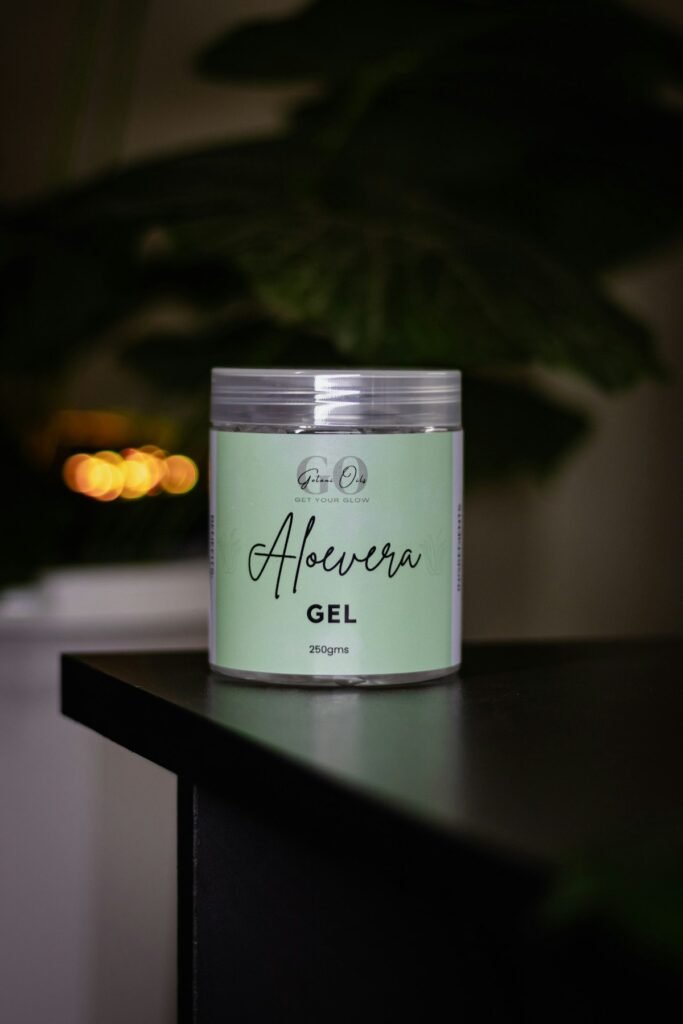
4. Aloe Vera Gel
Pure aloe vera gel is soothing and has mild antimicrobial properties, making it a gentle option for calming external irritation.
How to use it: Apply pure, unscented aloe vera gel externally to ease itching and discomfort. Look for 100% aloe with no added fragrance or alcohol.
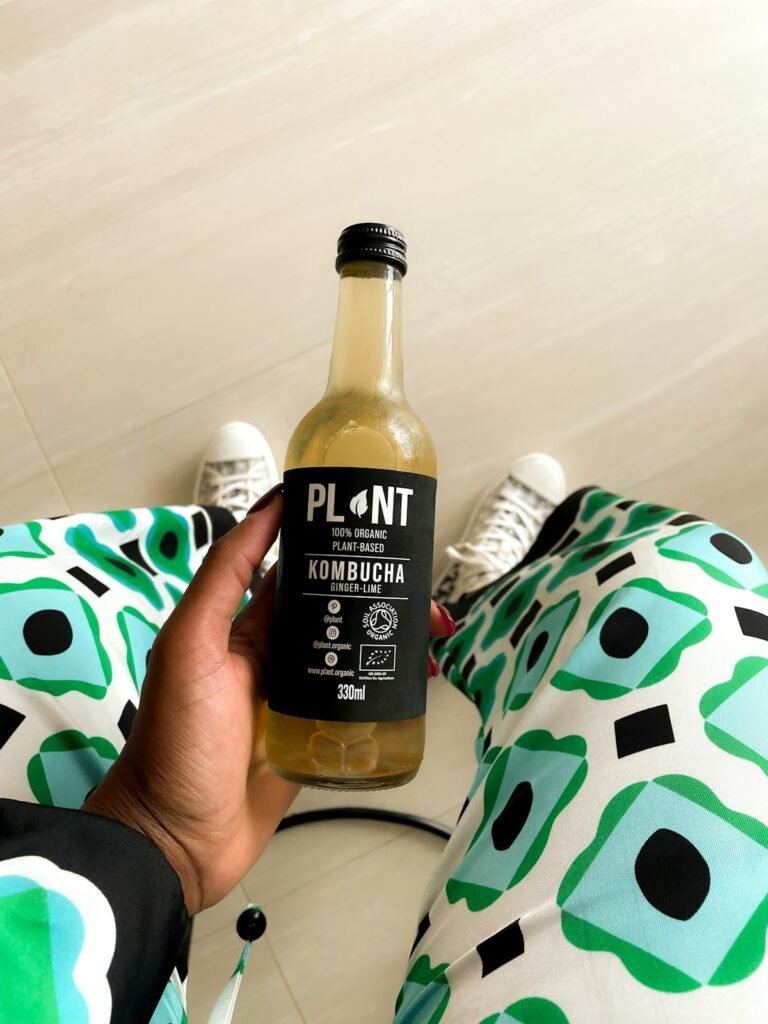
5. Probiotic Support
Yeast infections often show up when your natural bacterial balance gets thrown off. Probiotics — whether from food or a supplement — help repopulate the good bacteria that keep yeast in check.
How to use it: For instance, add probiotic-rich foods like kombucha, or a quality supplement with lactobacillus strains, to your routine. This supports your body from the inside out rather than treating symptoms directly.
A Few More Things to Know
Wear breathable, cotton underwear, and avoid staying in wet swimsuits or workout clothes longer than you need to — after all, yeast thrives in warm, damp environments.
Additionally, skip scented soaps, douches, and sprays in that area entirely. They disrupt your natural balance more than they help it.
Final Thoughts
Overall, these yeast infection remedies are about comfort and support, not a guaranteed fix. If your symptoms don’t improve in a few days, get worse, or keep coming back, it’s time to see a doctor — after all, recurring yeast infections can sometimes point to something else going on. Take care of yourself first.