
How to remove gas from your beans

Gasless Beans
Do you love the taste of beans but hate the gas? If so, you’re not alone — beans make a lot of people gassy, and that can be embarrassing and uncomfortable. The good news: there are simple ways to remove gas from beans, so you can enjoy these healthy legumes without the discomfort.
In this article, we’ll cover why beans cause gas, share tips to reduce it, and touch on why beans are worth the effort in the first place.
So whether you’re a bean lover or a reluctant bean eater, read on for tips to enjoy these delicious, nutritious legumes without the discomfort.
What causes the gas
Beans cause gas because they contain complex sugars called oligosaccharides and raffinose that the human body can’t fully digest. Your small intestine breaks down and absorbs most other sugars, but it doesn’t make the enzyme needed for oligosaccharides.
Instead, those sugars travel to the large intestine, where bacteria ferment them. That fermentation produces gas as a byproduct — which is what causes the bloating, discomfort, and flatulence beans are known for. (Cleveland Clinic has a good breakdown of exactly why this happens.)
What beans to throw away
When soaking beans, you may notice some float to the top while others sink to the bottom. Throw away the ones that float, and only use the ones that sink — floaters are usually too old, dried out, or damaged, which affects their taste, texture, and nutrition.
When beans are harvested, they contain moisture, which helps keep them fresh. As they dry out, they lose moisture and become lighter, which can cause them to float. The beans that sink to the bottom are typically the ones that are fresher, more hydrated, and better quality.
By discarding the floating beans, you can ensure that you are using the highest quality beans for your recipe. This will help ensure that your dish tastes its best and is nutritious.
How to Remove Gas From Beans
There are several simple ways to remove gas from beans before cooking, though some methods work better than others depending on the bean and your preference. Here are four worth trying:
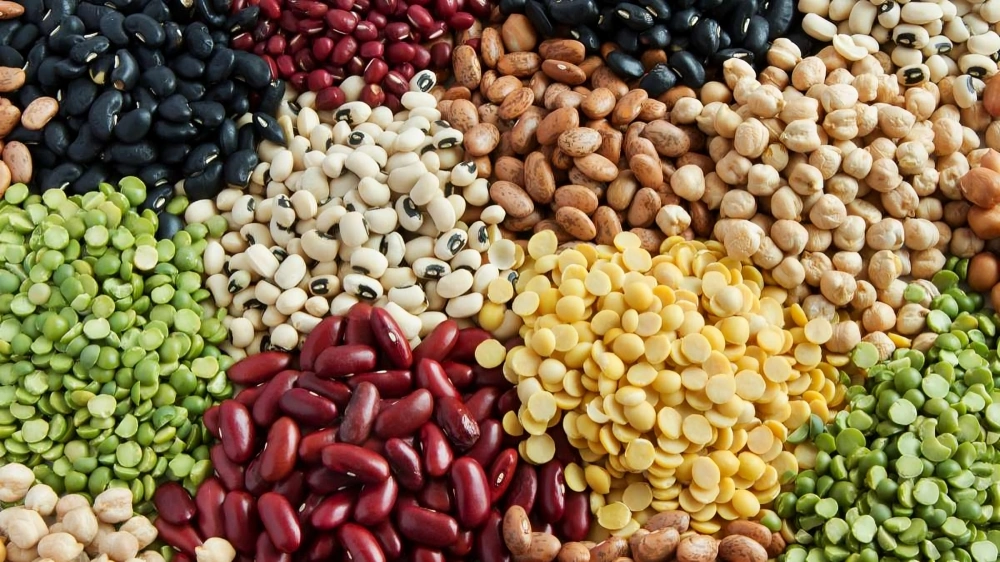
- Soak the beans: One of the most effective ways to remove gas from beans is to soak them in water before cooking. To do this, rinse the beans and then cover them with water in a large bowl or pot. Let them soak for several hours or overnight. Drain the water and rinse the beans before cooking.
- Use baking soda: Another method that some people use is to add a small amount of baking soda to the soaking water. The baking soda can help break down the complex sugars in the beans that can cause gas. Use about 1/4 teaspoon of baking soda for every cup of dried beans and make sure to rinse the beans thoroughly before cooking.
- Boil the beans: If you don’t have time to soak the beans, you can also try boiling them for a few minutes before cooking. Bring a pot of water to a boil, add the beans, and boil for 2-3 minutes. Drain the water, rinse the beans, and then cook them as desired.
- Use digestive aids: Some people also find that using digestive aids like fennel seeds, cumin, or kombu (a type of seaweed) can help reduce gas when cooking beans. Add a small amount of these ingredients to the cooking water or to the recipe to see if it helps.
Remember, removing every trace of gas from beans isn’t always possible, and some people are just more sensitive to the compounds that cause it. Still, these tricks to remove gas from beans can make them easier to digest — and that’s worth it, since beans are one of the best plant-based staples for protein and fiber.
Room Temperature vs. Refrigerator: The Best Way to Soak Beans
Soak your beans at room temperature rather than in the refrigerator. Room-temperature water lets beans absorb water more effectively and softens them faster, which cuts cooking time and makes them easier to digest.
Soaking beans in the refrigerator slows down water absorption, which makes them take longer to cook and can leave you with an uneven texture. If they’re not covered properly, they can also pick up odors from other foods in the fridge, which affects their flavor.
To soak beans at room temperature, simply rinse them and place them in a large bowl or pot with enough water to cover them by a few inches. Let them soak for several hours or overnight, then drain and rinse before cooking. If you are concerned about food safety, you can also cover the beans with a clean towel or lid to prevent dust or insects from getting in.
Final Thoughts: How to Remove Gas From Beans
Overall, soaking beans at room temperature is a simple, effective way to prepare them for cooking, and it can improve both their texture and digestibility. Between the right soak, a pinch of baking soda, and knowing which beans to toss, you now have real ways to remove gas from beans — so go enjoy them without the discomfort.