

Natural Remedies for Getting Rid of Dandruff

Camille
- August 6, 2026
Dandruff — that annoying, flaky friend nobody asked for. If you’ve dealt with it, you’ve probably tried a bunch of things to make it go away. Drugstore shampoos with a laundry list of chemicals might work for a hot second, but the flakes usually come back. Home remedies like slathering yogurt on your scalp feel soothing, but they don’t do much for the root cause.
The truth is, many common fixes only treat the symptoms, not the problem. Dandruff is usually caused by dryness, excess oil, or a type of yeast called Malassezia that lives on your scalp. So let’s skip the gimmicks and try some natural remedies for getting rid of dandruff that actually work.

5 Natural Remedies for Getting Rid of Dandruff to Try Today
1. Apple Cider Vinegar Rinse
Apple cider vinegar (ACV) is a rockstar when it comes to balancing your scalp’s pH levels. It helps fight off yeast and bacteria while removing buildup that could be contributing to flakes. (It’s also a star ingredient in this DIY face toner if you want to put your leftover bottle to use.)
What to do: Mix equal parts apple cider vinegar and water in a spray bottle. After washing your hair, spray the mixture directly onto your scalp. Let it sit for 5–10 minutes, then rinse thoroughly.
Why it works: ACV is antifungal and antibacterial, making it a powerful (and cheap) way to support a balanced scalp.
2. Coconut Oil and Tea Tree Oil Treatment
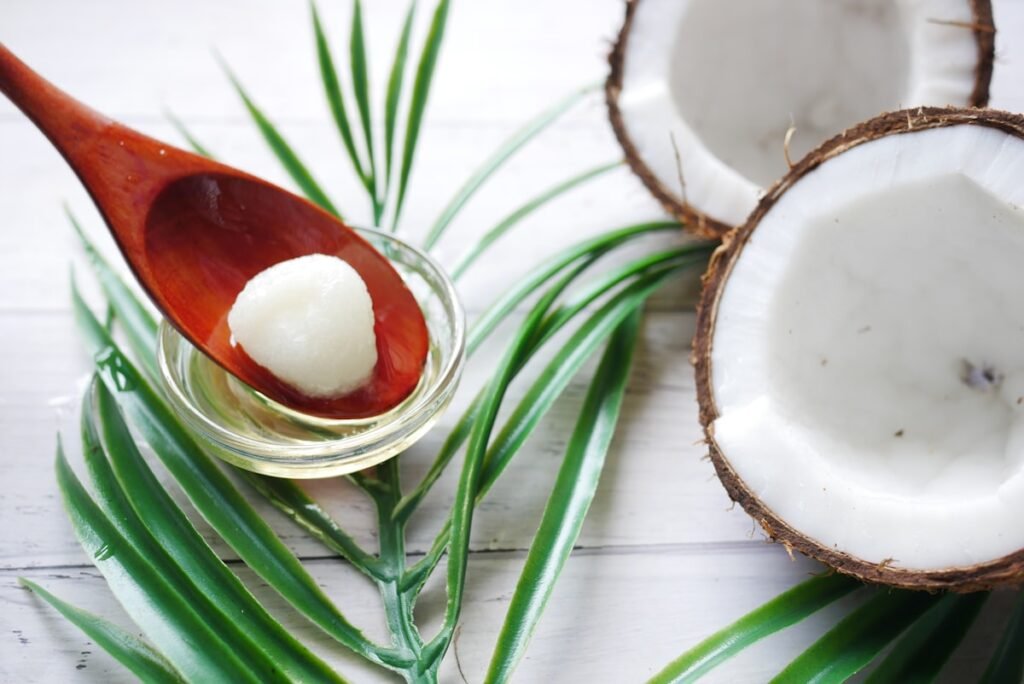
Coconut oil is an excellent moisturizer, and tea tree oil is known for its antifungal properties. Together, they make a gentle, soothing combination for an itchy scalp.
What to do: Mix 2 tablespoons of coconut oil with 2–3 drops of tea tree oil (tea tree oil is potent, so go easy). Massage the mixture into your scalp and let it sit for 30 minutes, then wash with a gentle, sulfate-free shampoo.
Why it works: Coconut oil hydrates the scalp while tea tree oil helps address the yeast associated with dandruff. Patch-test on your arm first if you haven’t used tea tree oil before.
3. Aloe Vera Gel
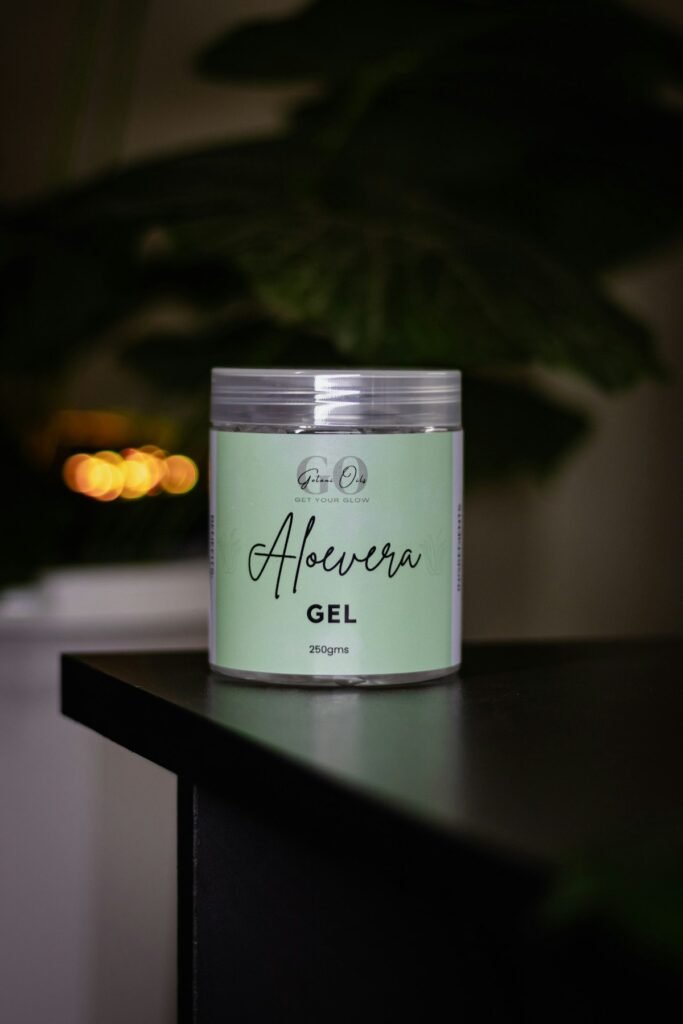
Aloe vera isn’t just for sunburns — it’s soothing for your scalp too, easing irritation and itchiness.
What to do: Scoop fresh aloe vera gel from a leaf, or use a store-bought gel that’s 100% pure. Apply it directly to your scalp, massaging in gently. Leave it on for 20 minutes, then rinse with warm water.
Why it works: Aloe vera calms inflammation and creates a healthier environment for your scalp.

4. Baking Soda Scalp Scrub
If you’re dealing with buildup from products or oils, a baking soda scrub can gently exfoliate your scalp. Use this one sparingly — baking soda is alkaline and can dry out your scalp or disrupt its natural pH if you overdo it.
What to do: Mix 1 tablespoon of baking soda with a little water to form a paste. Gently massage onto your scalp for about a minute, rinse thoroughly, and follow with a hydrating conditioner. Once every week or two is plenty.
Why it works: Baking soda helps lift dead skin cells and clears clogged hair follicles, reducing flakes.
5. Neem Oil Treatment
Neem oil has been used for centuries as a natural remedy for dandruff, thanks to its antifungal and antibacterial properties.
What to do: Mix a few drops of neem oil with a carrier oil like jojoba or almond oil. Massage into your scalp and leave it on for 30 minutes, then wash with a mild, plant-based shampoo.
Why it works: Neem oil helps address dandruff-causing yeast and soothes an irritated scalp.
Final Thoughts on Natural Remedies for Getting Rid of Dandruff
Dealing with dandruff doesn’t have to mean piling on harsh chemicals or trying every old wives’ tale you hear about. These natural remedies for getting rid of dandruff can help in a way that’s gentle on both you and the planet.
Consistency is key — stick with your chosen treatment for a few weeks before judging results. And if your dandruff is severe, doesn’t improve, or comes with redness, swelling, or hair loss, it’s worth seeing a dermatologist — sometimes what looks like dandruff is actually a different skin condition that needs its own treatment.
Got a go-to dandruff remedy that works for you? Drop it in the comments — I’d love to hear what’s been a game-changer for your scalp!