

The Problem With Summer Hiking in Los Angeles

Earlier this year, a friend called with a plan: a trail in the San Fernando Valley I’d never even heard of. Mid-March, good weather, the kind of morning that makes you want to get outside and get some sun. I said yes before she finished the sentence.
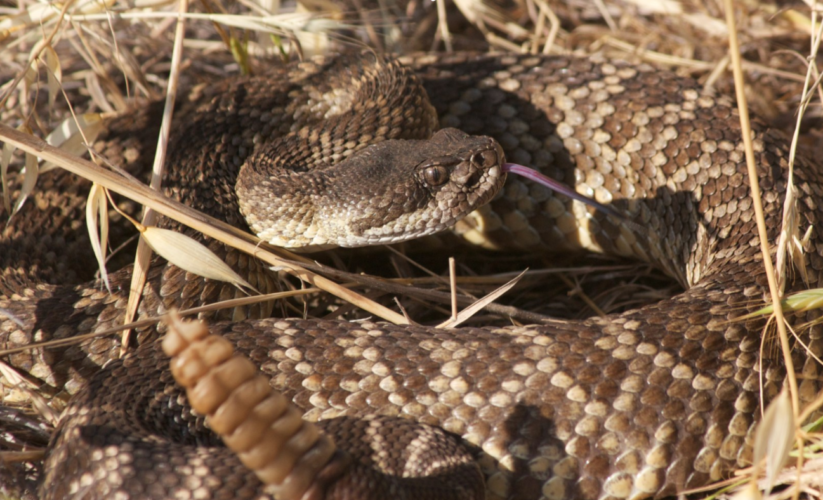
The hike was going well. We were close to the peak, deep in conversation, laughing about something I can’t even remember now, when I heard a hiss that put my heart somewhere near my throat. I looked down. A rattlesnake — easily five feet if it had uncoiled — was right there, maybe three feet off the trail, tucked in the shade of a bush where neither of us had seen it. I don’t remember deciding to move. One second I was standing there, the next I was several feet back, apparently powered by some instinct that skips the thinking part entirely.
We stood and watched it rattle its warning until it decided we’d gotten the message. We were deep enough into the mountain that cell service was spotty at best, and for the rest of the hike down I kept circling the same thought: what would I have actually done if it had bitten me up there.
That was March. It’s nearly August now, and the stories haven’t stopped. A few weeks ago I caught a news segment about a young man hiking with his mother who rounded a corner and didn’t see the rattlesnake on the other side until it bit him — twice, on the foot. His mother called for help immediately. He was airlifted to a hospital, spent days in the ICU, and is walking on crutches now.
Not exactly rare
Summer is supposed to be the season for getting outside — shorts, a sports bra, a little vitamin D, the version of health that doesn’t feel like a chore. Rattlesnakes are making that calculation harder every year. This year alone, California has already logged multiple rattlesnake-bite deaths and a noticeable spike in encounters, arriving earlier than the typical April–October season because of record-breaking heat. Snakes are cold-blooded, so they move toward heat sources to regulate their body temperature — including the sun-warmed pavement and trails we’re standing on. More heat, more overlap, more encounters.
There’s a piece of hiking folklore that says snakes feel your footsteps coming and clear out before you ever see them. I used to believe that. I don’t anymore. Every trail I go on is heavily trafficked — Angelenos out working on their health on weekends and weekdays alike — and somehow, no matter how many people are on the path, someone always has a story about a snake they crossed, heard, or nearly stepped on.
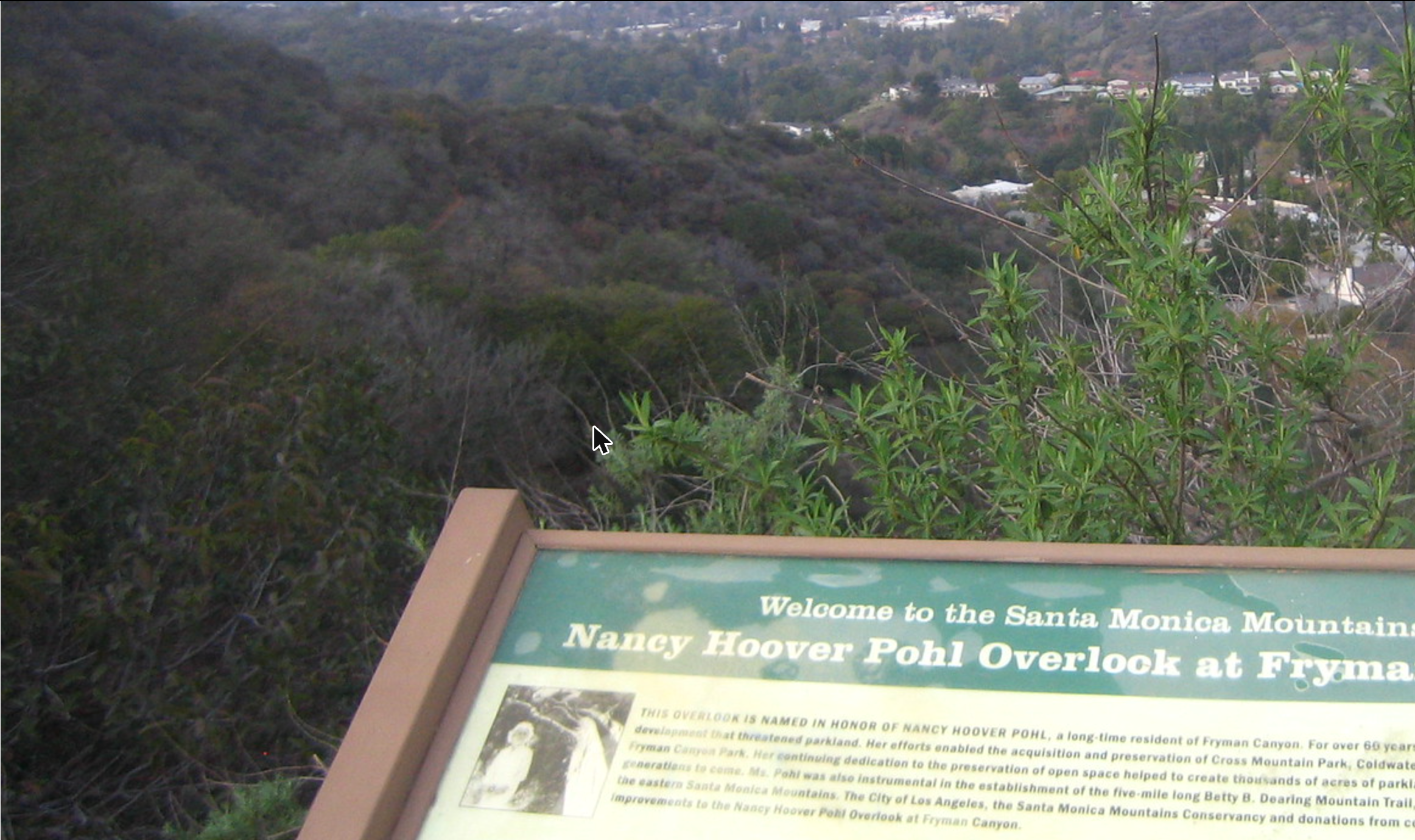
My first rattlesnake was at Fryman Canyon, a trail that’s basically never empty. I parked around eight in the morning with a couple ahead of me and another hiker close behind — and in the middle of all that foot traffic, a rattlesnake crossed the trail anyway, in full view of everyone. We all just stopped and watched, a little stunned it didn’t seem to care we were there at all.
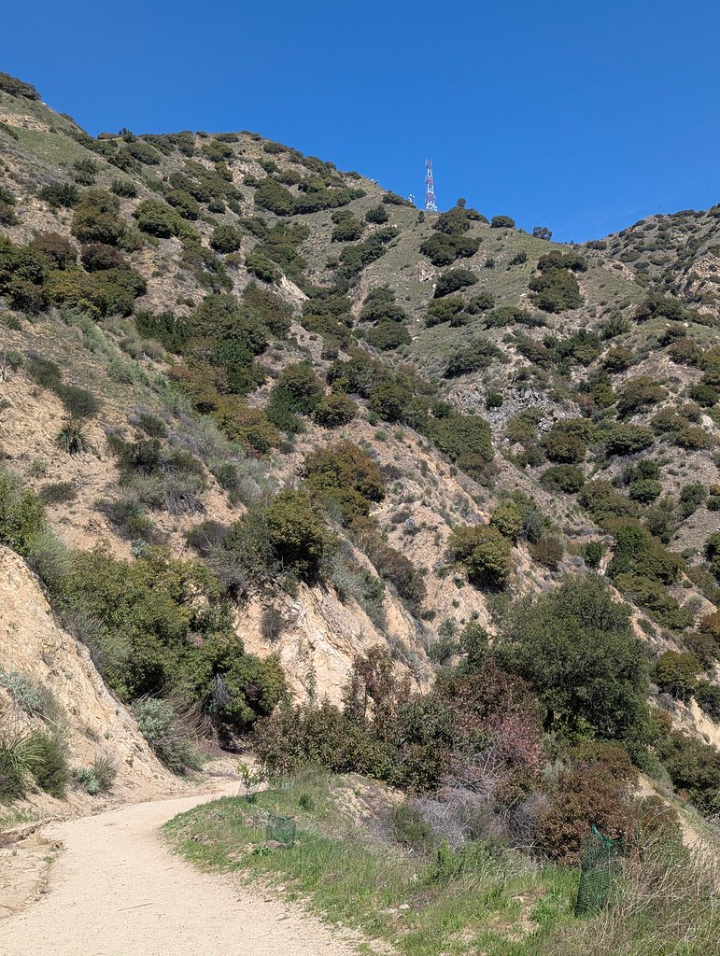
The second time was at Wildwood Canyon in Burbank, hiking with my mother. We were near the top when it hissed at us from the side of the trail — again, with a couple dozen other hikers around that morning. At this point, I’m starting to think the vibration theory has it backwards. These snakes don’t seem bothered by people. If anything, they seem used to us.
The trade-off
A rattlesnake bite isn’t a clean binary of survive-or-don’t. Even in cases where people live, recovery can mean shock severe enough to trigger a stroke, restricted blood flow that costs someone part of their intestines, kidney failure, and months of recovery. Doctors treating these bites have noted that the long-term effects seem to be getting more severe in recent years — complications that used to be rare aren’t anymore.
So here’s where I’ve landed, and it’s not where I expected to. Some weekends, instead of driving out to a trailhead, I get on my Peloton instead. Which is a shame — LA has some of the best hiking in the country, and I don’t love trading it for an app and a stationary bike. But I’ve also decided I’m not interested in finding out what an ER bill looks like after a helicopter ride.
Do it smart
I’m not saying stay off the trails. I’m saying be honest about the season. If you’re hiking in LA right now: keep your eyes on the ground, especially around blind curves and brush. Watch where you step before you watch the view. And if you can, save the deep-summer hikes for fall or winter, when the heat isn’t pulling every rattlesnake in the county onto the same trails we are.
We have beautiful places to explore here. Just do it with your eyes open. 💃🏽
Photo credits: Fryman Canyon overlook sign by rick/Flickr (CC BY 2.0); Wildwood Canyon trail by Jeremy Thompson/Flickr; Southern Pacific rattlesnake by Laura Camp/Wikimedia Commons (CC BY-SA 2.0).